

Guignard Kyoto Collection
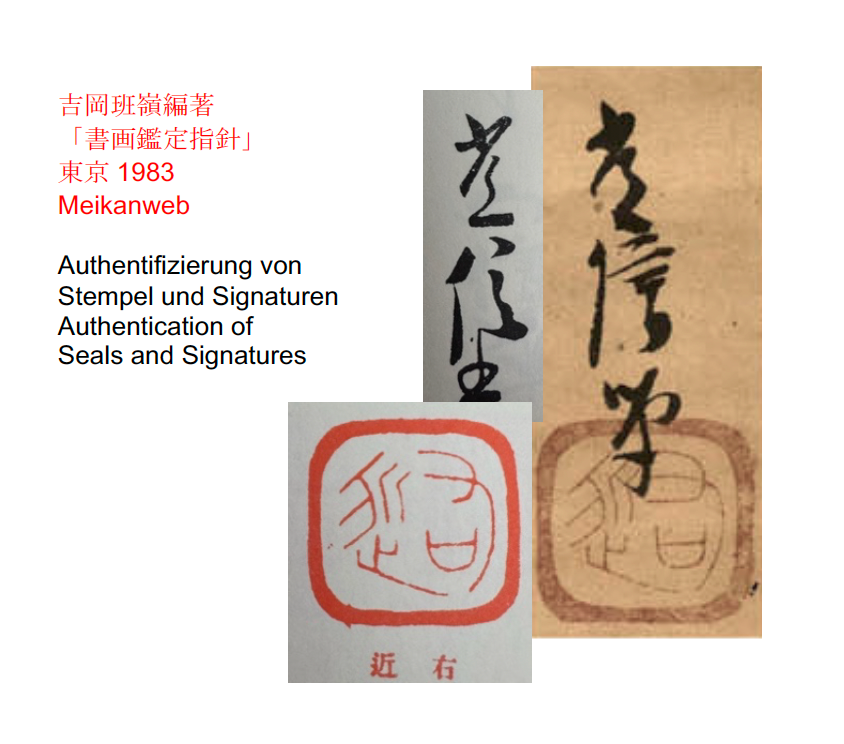
Heron in the Reeds | Kanō Tsunenobu 狩野常信 | 1636–1713
Heron in the Reeds | Kanō Tsunenobu 狩野常信 | 1636–1713
Couldn't load pickup availability
Kanō Tsunenobu belongs to the “blue blood” of the Kanō dynasty, which had been Japan’s largest and most influential art institution since the 15th/16th century. His uncle was Kanō Tanyū, who dominated the art world at the beginning of the 17th century, and he himself became (after being allowed to adopt his artist’s name at the age of 14!) the head of the Kobikichō workshop in Tokyo—the premier destination for the military aristocracy to purchase art.
The motif of the heron, standing motionless on one leg and waiting for prey, was indeed a subject much beloved by samurai. It expresses, first and foremost, concentration, but also endurance and determination—qualities that were part of a knight’s ideals.
The surroundings are merely hinted at; a few withered reeds indicate the season—cold autumn or winter—and a handful of wavy lines allow us to glimpse the water in which the bird stands. The white heron itself, apart from a few strokes accentuating its plumage, is not painted but simply set apart from a gray background that suggests cold mist.
It is a testament to the artist’s virtuosity in handling formal elements that almost exclusively the right half of the painting is rendered. The left half serves as a “void” in which the existential vibrations of the figure—intently focused on catching fish—can resonate.